Key takeaways
- Utility requirements change often, and many bid sets are drawn without a utility layout.
- Service point, transformer location and conduit counts are the most common surprises.
- Accurate budget numbers on the site utility scope help you win and keep the job.
Over 90% of the site utility drawings we see are incorrect. That is not a knock on engineers. Utility requirements change often, and most bid sets are drawn before the utility has issued its own layout. The result is a scope that looks clear on paper and changes after award.
Where layouts usually go wrong
| Item | What happens |
|---|---|
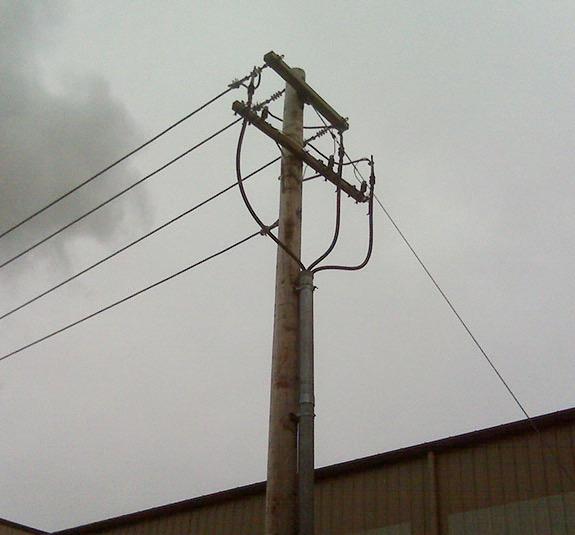
| Service entrance point | The utility picks a different pole, manhole or riser than the drawings show. |
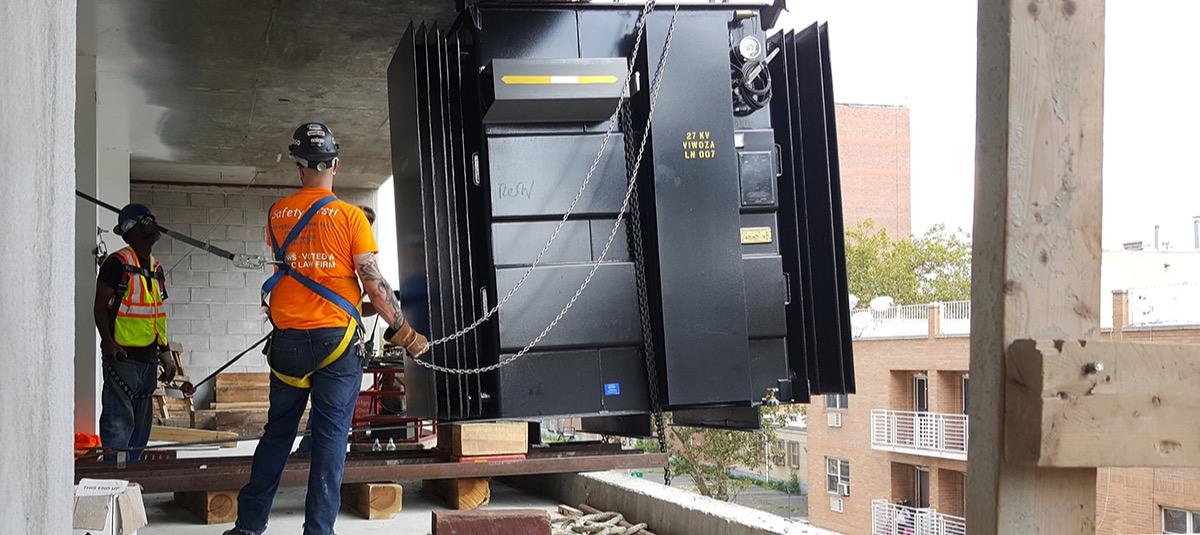
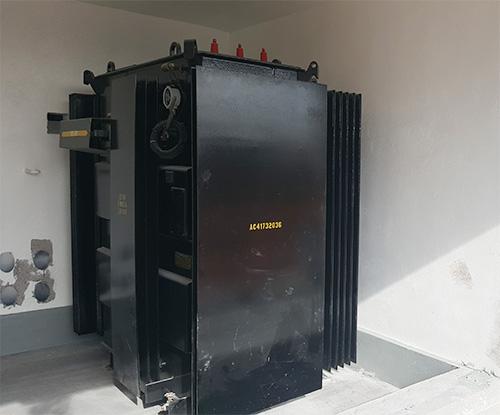
| Transformer type and location | Pad mount versus vault, clearances and access change the civil work. |
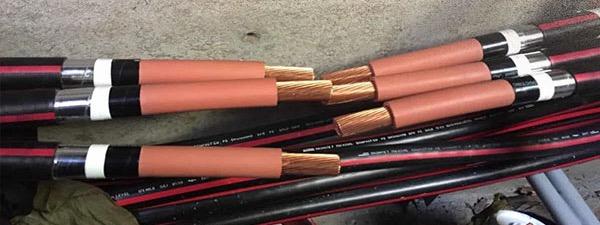
| Conduit count and size | The utility spec calls for more or larger ducts than shown. |
| Primary versus secondary ownership | Who builds and owns which part is not what the bid set assumed. |
| Accommodation work | Utility charges and lead times nobody carried in the budget. |
What to check before you price
- 01Ask whether the utility has issued a layout or service letter yet
- 02Compare the drawings against the utility's current service specifications
- 03Confirm who owns and builds each piece from the property line in
- 04Flag possible accommodation charges and lead times in your proposal
- 05Get budget numbers from someone who builds these systems every week
Many of D&M's clients are other electrical contractors. We help them win jobs with accurate budget estimates on site utility scopes, and give their clients confidence by knowing these systems inside out.
Related capability
Site Utility and Infrastructure
Privately owned distribution systems: utility poles, transformers, manhole crabbing and full system upgrades.