Key takeaways
- Utility hosting capacity and interconnection screening drive the schedule more than equipment lead times do.
- In New York, projects up to 5 MW on the distribution system follow the Standardized Interconnection Requirements (SIR).
- Picking an interconnection friendly site and the right MV scheme early saves months.
Battery energy storage has grown fast. Early commercial systems in the New York area were measured in hundreds of kilowatts. Utility grade systems of 20 to 100 MW are now common. What has not changed is that every system has to connect to a utility, and that connection usually sets the pace.
Start with the grid, not the battery
Each utility circuit can only accept so much new generation and fault current. New York utilities publish hosting capacity maps that give a first look at where capacity exists. A site on a constrained circuit can face expensive upgrades or long studies. A good site can move quickly.
The New York interconnection path
Distributed resources up to 5 MW connecting to a New York utility's distribution system follow the Standardized Interconnection Requirements, or SIR. Larger or more complex projects go through a detailed study, which New York calls a CESIR (Coordinated Electric System Interconnection Review), before the utility sets the required upgrades and costs.
- 01Site screening against hosting capacity and local constraints
- 02Interconnection application and preliminary utility review
- 03Detailed study where required, with cost estimates for upgrades
- 04Design of the medium voltage interconnection and protection scheme
- 05Permitting, including fire code review for the storage system
- 06Construction, testing and utility witness testing before operation
The medium voltage piece
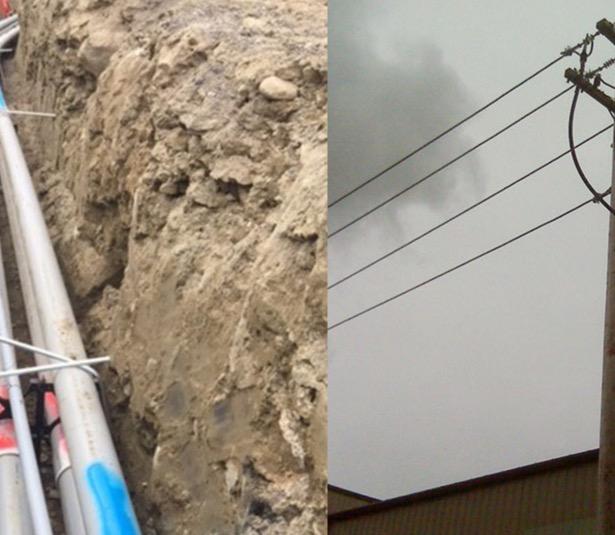
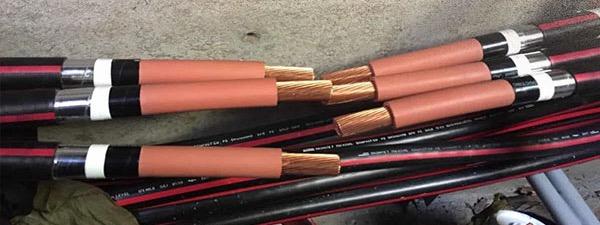
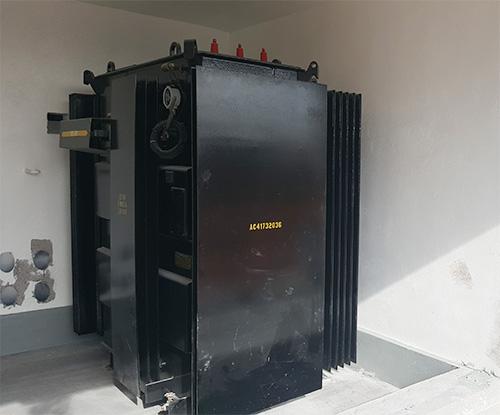
Utility scale systems connect at distribution voltage, commonly 5kV to 35kV. Depending on the utility and the circuit, that can mean a simple radial feeder, switchgear with utility grade relaying, or a more complex multi-feeder arrangement. Choosing the scheme the utility will approve the first time avoids redesign.
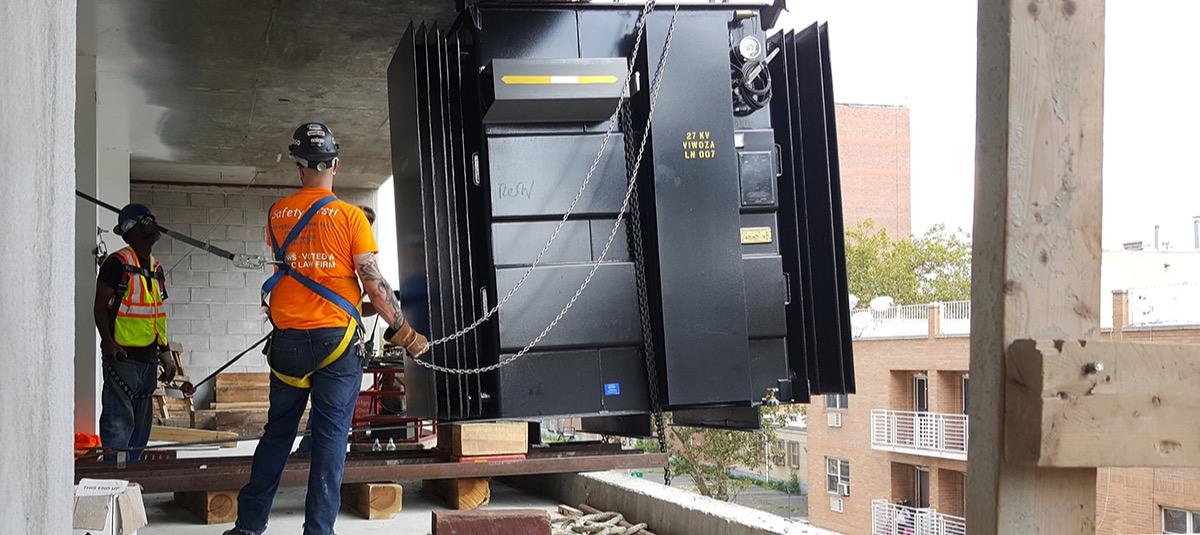
D&M installed some of the first energy storage systems in the New York area and offers everything from full EPC to just the medium voltage interconnection. Our team includes former utility professionals who know what each utility expects.
Related capability
Battery Energy Storage (BESS)
Full EPC or electrical subcontracting for energy storage, including the medium voltage interconnection.