Key takeaways
- Every tenant fit out changes the electrical system. Few buildings re-check the whole system afterward.
- Decide how long each part of the building can be without power, then plan around that tolerance.
- Equipment location, backup power connections and current drawings are the three fastest wins.
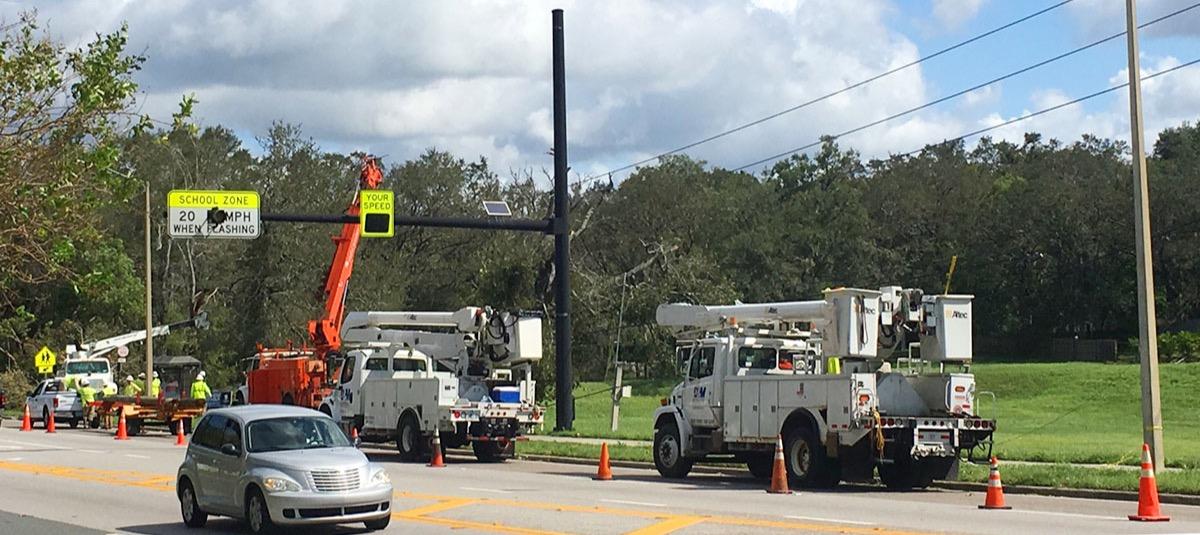
Restoration crews see the same pattern after every major storm. The buildings that come back fast are rarely the newest. They are the ones whose owners knew their system, kept the drawings current and planned for the outage before it happened.
1. Know your tolerance for outage
Not every load matters equally. A data room, a pump station or refrigerated storage may tolerate minutes. Offices may tolerate days. List your critical loads and how long each can be down. That list decides how much to spend on everything below.
2. Check what tenant fit outs changed
Every new tenant adds panels, moves loads and taps feeders. Over years the system can drift far from its original design, and one tenant's changes can compromise others. Walk the system against the drawings and update them.
3. Get critical equipment out of harm's way
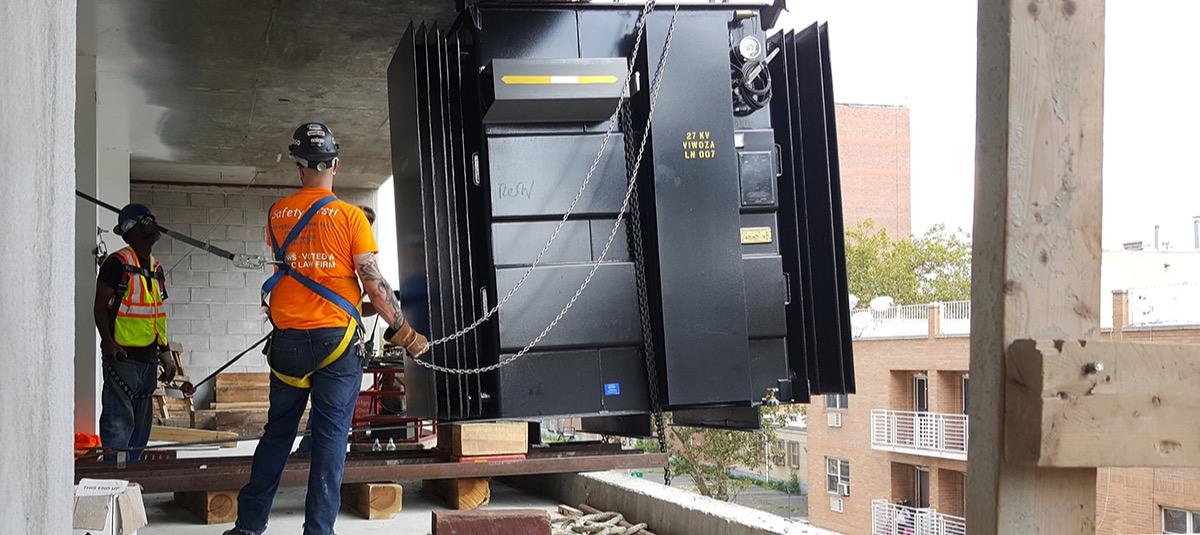
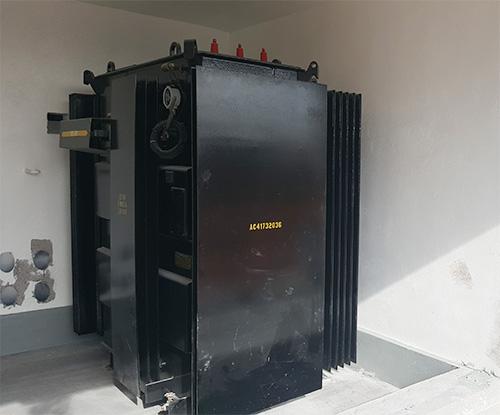
Hurricane Sandy showed how much critical gear sat in basements. Switchgear, transformers and generator controls below flood level can turn a short outage into months of replacement. Where relocation is not practical, look at flood barriers and sealing conduit entries.
4. Plan backup power you can actually connect
- Confirm generator capacity matches today's critical loads, not the original design
- Consider a permanent connection point so a rental generator can be hooked up quickly
- Test transfer switches under load on a schedule
- Keep fuel supply and delivery arrangements current
5. Maintain and inspect
NFPA 70B, now a standard rather than a recommended practice, sets out electrical equipment maintenance. Infrared scans, torque checks and breaker testing find problems that a storm would otherwise expose for you.
| Item | Quick check |
|---|---|
| Single line diagram | Matches the building today? |
| Critical loads | Listed, with outage tolerance for each? |
| Equipment elevation | Anything critical below flood level? |
| Backup power | Sized for today and easy to connect? |
| Maintenance records | Infrared and breaker tests up to date? |
| Emergency contacts | Utility account, electrical contractor, 24/7 numbers? |
Related capability
Disaster Preparedness
A free consultation that finds weak points in your electrical system before a storm does.